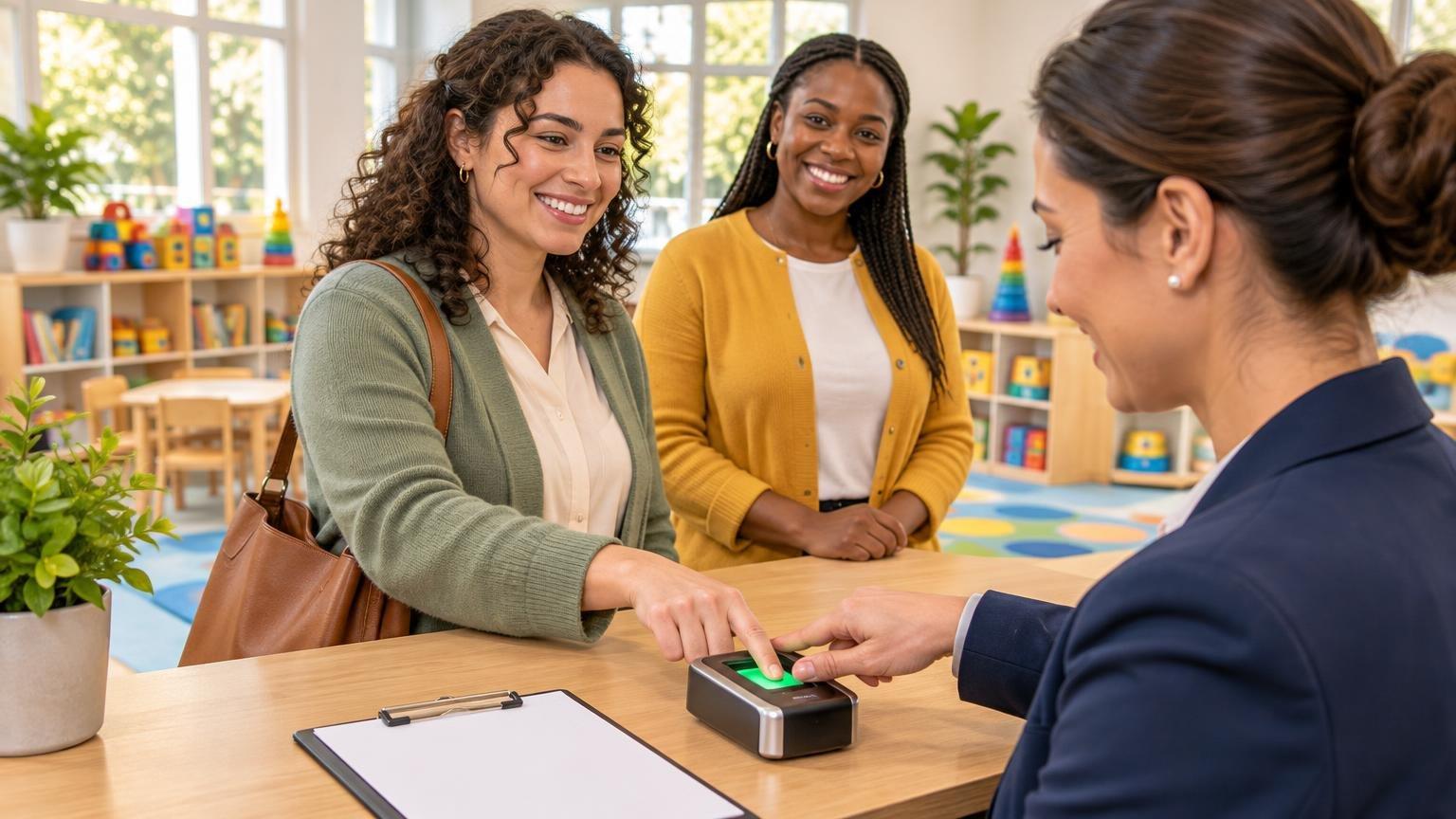
Hiring Anywhere Without Losing Your Sanity
Borderless hiring sounds great until you try to actually verify who someone is and if they can legally work for you. Remote employee background checks need to be fast and friendly, but they also have to stand up to audits, regulators, and risk teams. That is a tricky balance, especially when you are hiring across borders during a year-end rush.
Right when HR teams are ramping up seasonal coverage, planning new headcount, and closing open roles before the holidays, the pressure grows. You need a process that works the same way for a developer in one country, a customer support rep in another, and a contractor who might move next year. Modern background screening platforms can help by pulling everything into one place, automating the steps, and tapping into global data sources.
In this guide, we walk through how to build a cross-border screening process that is secure and compliant but still feels simple for candidates. The goal is to protect your brand and build trust without slowing hiring to a crawl.
Why Borderless Hiring Demands New Verification Rules
Remote and hybrid work changed who we can hire. Many teams now cast a wide net, hiring people based on skills first and location second. That opens doors to new talent, but it also brings new questions about identity, right-to-work, and long-term eligibility.
Things get even trickier when:
- A worker lives in one country but is paid by an entity in another
- A candidate is on a visa or short-term permit
- Someone plans to relocate after they start the job
Traditional in-office onboarding was built around local paperwork. Think paper I-9s in the United States, photocopied IDs handed across a desk, and a manager eyeballing the documents. Remote employee background checks move all of this online, across devices, time zones, and legal systems.
As hiring speeds up toward the end of the year, HR teams need:
- Clear global rules that can be applied again and again
- Tools that support digital proof of identity and work eligibility
- A way to keep everything consistent, even when multiple offices or partners are involved
Without that structure, cross-border hiring can quickly feel messy and stressful.
Identity Verification Across Borders Without the Headaches
At the core, identity verification across countries comes down to a few building blocks: government-issued IDs, passports, national ID numbers, and, in some regions, trusted digital identity tools. The trick is that each country formats and manages these differently.
Some countries have:
- Central national ID registries
- Regional or state-level databases
- Limited or no unified digital records
A global screening platform can normalize this by:
- Collecting the right ID type for each country
- Validating data against local sources when allowed
- Presenting results in a consistent way back to your HR team
To keep friction low for candidates, it helps to make the process feel simple and guided:
- Mobile-first document upload, so people can snap a photo of an ID
- Clear examples of acceptable IDs, with visuals and plain-language tips
- Real-time status updates so candidates are not left guessing
- Multilingual support where you hire the most
Fraud risk is real, especially when hiring is fully remote. Deepfake IDs, stolen credentials, and synthetic identities can slip through if checks are too basic. Layered verification, like document checks plus database validation plus optional selfie matching, can raise the bar without adding a lot of extra work for honest candidates.
Right-to-Work Eligibility Without Tripping Over Compliance
Identity verification answers one question: is this person who they say they are? Right-to-work checks answer a second question: can this person legally work in this role, for this entity, in this country? Both pieces are needed for borderless hiring to be safe.
The rules differ by region. For example:
- In the United States, employers focus on I-9 and related documents
- In many European countries, right-to-work checks interact with strong privacy and anti-discrimination rules
- Other regions may rely on visas, permits, or local registration systems
Designing the process means paying attention to:
- What documents you are allowed to ask for
- How you store and protect that data
- How long you keep it and who can see it
Centralized policies help global HR teams avoid one-off decisions. Configurable workflows and automated alerts can track:
- Visa or permit expiry dates
- Sponsorship requirements
- Country-specific document refresh rules
Consistency is key. For similar roles, apply the same standards and documentation requirements, regardless of where the candidate lives. That reduces legal risk and also feels fairer to candidates who talk to each other across borders.
Building Frictionless Remote Employee Background Checks
A remote screening process that looks tidy to HR can still feel hard for candidates. The best way to fix that is to map the whole journey from the candidate's point of view and circle the friction hotspots.
Common hotspots include:
- Confusing or legal-heavy instructions
- Asking for the same data in several forms
- Long, silent waits with no status updates
- Portals that do not work well on phones
To smooth things out, many teams focus on:
- Pre-onboarding education that explains what will happen and why
- Branded, simple portals that feel like part of your company, not a strange third party
- Mobile-optimized forms that are short and clear
- Transparent timelines, with honest notes about how long each step usually takes
Consent and privacy should not be an afterthought. Candidates tend to feel better when they know:
- What checks you are running
- Which laws or policies require them
- How long their data is stored
- Who they can contact with questions
Handled well, remote employee background checks can actually support your employer brand. A respectful, organized process sends a signal that you treat people carefully, even before day one, which matters during peak hiring seasons when candidates have options.
Continuous Monitoring Without Spooking Your Team
One-time background checks are just a snapshot. For sensitive or regulated roles, especially in global teams, continuous monitoring can add another layer of safety. That might mean ongoing alerts tied to certain records or periodic rechecks of credentials.
The key is transparency. Before you start, put clear rules in writing:
- Which roles are covered
- What types of records are monitored
- What events trigger a review
- How you will communicate any findings
Risk management has to be balanced with trust. Monitoring should stay focused on job-related factors, not personal life. Local privacy laws also shape what is allowed, how long data can be used, and what employees must be told.
Continuous monitoring can be especially helpful when staff have remote access to:
- Financial or payment data
- Health or personal information
- Critical infrastructure or core systems
Handled with care, monitoring becomes part of a larger safety net, not something that makes employees feel watched.
Turn Global Screening Into a Strategic Advantage
Borderless hiring works best when identity checks, right-to-work verification, and remote employee background checks all fit together in one clear process. Done right, this does more than keep you compliant. It also helps you hire fast, protect your reputation, and give every candidate a respectful experience.
A simple starting checklist for HR and talent leaders might include:
- Audit current screening workflows for cross-border hires
- Standardize core global policies with room for local differences where needed
- Choose a platform that supports international coverage and flexible rules
- Pilot a low-friction, mobile-first candidate experience during a busy hiring season
As seasons change and hiring cycles rise and fall, refining your global-ready screening process can make each new wave of growth smoother than the last. With a partner like ClearStar that focuses on employment screening, background checks, drug and occupational health testing, social media screening, and continuous monitoring, you can support borderless teams without losing your sanity or your candidates' trust.
Strengthen Your Remote Hiring With Trusted Screening
If you are expanding your distributed workforce, now is the time to put a consistent screening process in place with our remote employee background checks. At ClearStar, we help you verify identities, qualifications, and histories so you can hire confidently across state lines and time zones. Our team will work with you to tailor packages that fit your roles, risk profile, and compliance needs. Ready to move forward with a secure hiring program? Contact us to discuss your next steps.