Build Safer Teams Before Day One
Pre-employment health screening and drug testing are big decisions, not just boxes to check. When hiring picks up in autumn, many HR teams race to fill holiday roles, wrap up year-end projects, and plan for new budgets, all while trying to keep people safe.
This is usually when policy questions pop up. Should we add pre-employment health screening? Is drug testing enough? Do we really need both for every role? Those choices affect safety, productivity, and compliance from day one.
We will walk through what each type of screening really covers, when it matters most, and how to choose the mix that fits your risk, your industry, and your culture. You do not have to guess. You can build a plan that feels fair to candidates and smart for your business.
What Pre-Employment Health Screening Really Covers
Pre-employment health screening is not a chance to dig into someone's full medical history. It is a job-related check to see if a person can safely do the work you are hiring them to do.
Depending on the role, this type of screening might include things like:
- Basic vitals, such as blood pressure or heart rate
- Physical ability checks, like lifting, climbing, or carrying
- Vision and hearing checks
- Immunization or titer checks for certain healthcare or lab roles
- Respirator clearance and fit testing
These screenings are especially helpful for:
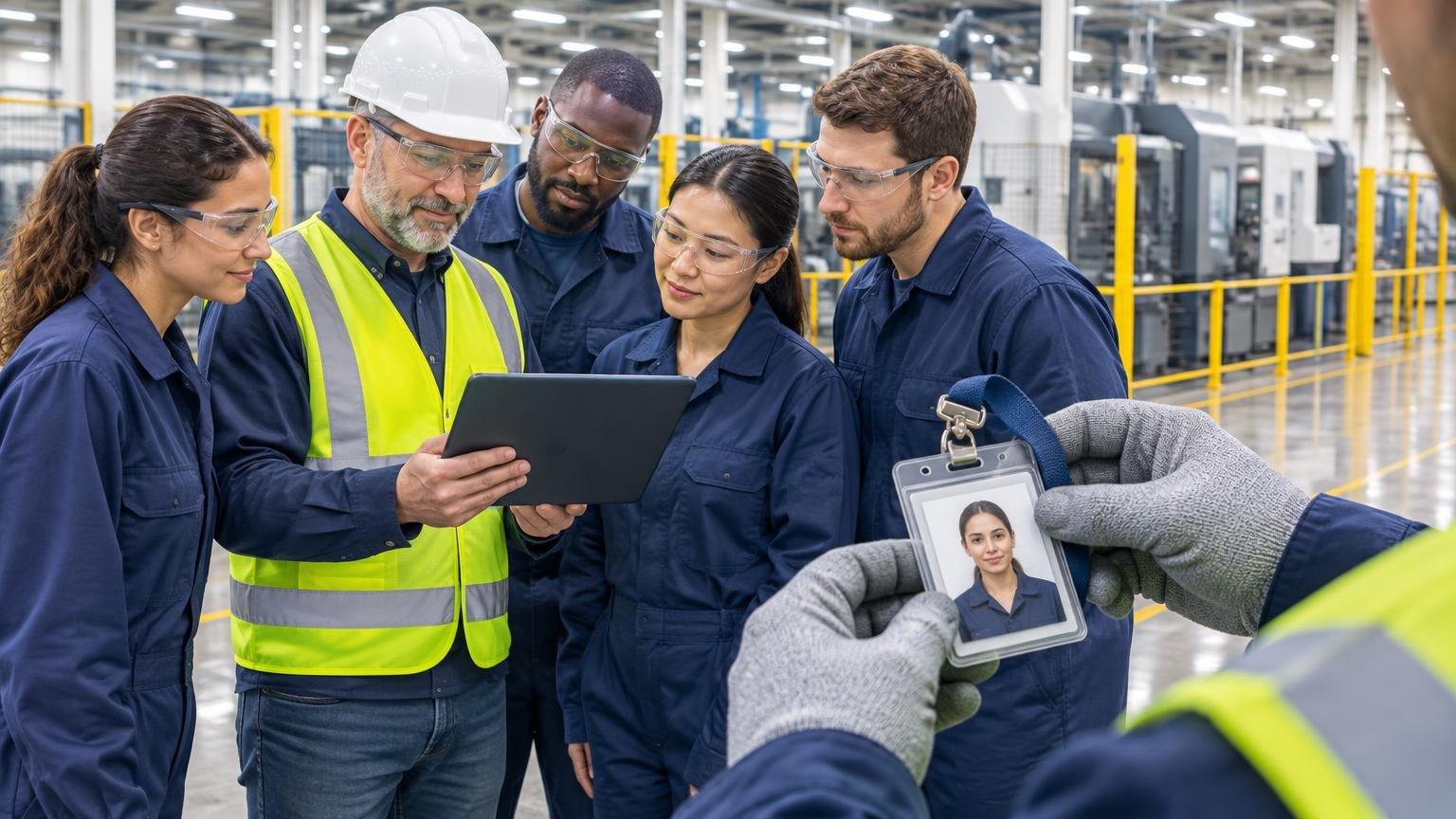
- Safety-sensitive work, like jobs around heavy machinery
- Healthcare and caregiving roles
- Manufacturing and warehouse positions with lifting or repetitive motion
- Logistics and delivery jobs with long hours on the move
- Field services where staff face outdoor conditions, stairs, or ladders
There are also legal and ethical guardrails to respect. In the United States, the Americans with Disabilities Act expects employers to keep exams job-related and consistent for similar roles. That means you should not order a physical just because it feels nice to have. It should clearly connect to real tasks in the job description.
Done well with a compliant partner, pre-employment health screening can support better outcomes, such as:
- Fewer early injuries from mismatched physical demands
- Lower workers' compensation claims over time
- Smoother onboarding, because people know what to expect
- Better fit between the person and the physical environment of the job
When you match the check to the work, you protect both your team and your new hire.
Where Drug Testing Fits Into Your Risk Strategy
Drug testing is a different type of safety tool. While pre-employment health screening looks at fitness for duty, drug testing focuses on possible impairment or substance misuse.
Common drug test methods include:
- Urine testing, often used for pre-hire, random, and post-accident
- Oral fluid (saliva) testing, useful for shorter detection windows and quick results
- Hair testing, which can show use over a longer period
Each method has its own detection window and best use case. For example, some employers lean on urine tests for pre-hire and random programs, while others like oral fluid for reasonable suspicion situations where recent use matters more.
Drug testing is often mandatory or strongly expected when:
- You employ regulated transportation workers, such as CDL drivers
- Roles are clearly safety-sensitive, like operating cranes or other heavy equipment
- Clients, vendors, or insurance carriers require it in contracts
One big difference to keep in mind.
- Drug testing focuses on impairment and substance-related risk
- Pre-employment health screening focuses on underlying health, physical capacity, and fitness for duty
Cannabis laws add another layer. With changing state rules around THC, many employers are rethinking which roles include cannabis in their panel, and how they handle positive results. Policies that felt fine a few years ago may not make sense now, especially when you are competing for talent.
Regular reviews with legal counsel and your screening partner can help you keep policies aligned with both safety expectations and current law.
Choosing Between Health Screening and Drug Testing
So how do you know which type of screening to use, and when? A simple decision framework can help.
Start with the nature of the work:
- Desk-based roles with low physical demands and no safety-sensitive tasks may not need pre-employment health screening
- Field, warehouse, delivery, and facilities roles often benefit from physical checks
- Any position around heavy machinery, hazardous materials, or vulnerable populations likely calls for a stronger drug testing program
Think through questions like:
- How much could one mistake hurt the employee or someone else?
- Does the job require lifting, climbing, or working at heights?
- Is the role covered by federal or state regulations tied to testing?
- Does the person work alone, at night, or with vulnerable groups such as patients or children?
A few simple scenarios:
- A physically demanding warehouse job: Pre-employment health screening may be the first priority, to be sure new hires can handle lifting and standing. Drug testing may still matter, but the physical fit is front and center.
- A CDL driver role: Drug testing is non-negotiable due to regulation. Pre-employment health screening may also be helpful to check fitness for long hours and driving conditions.
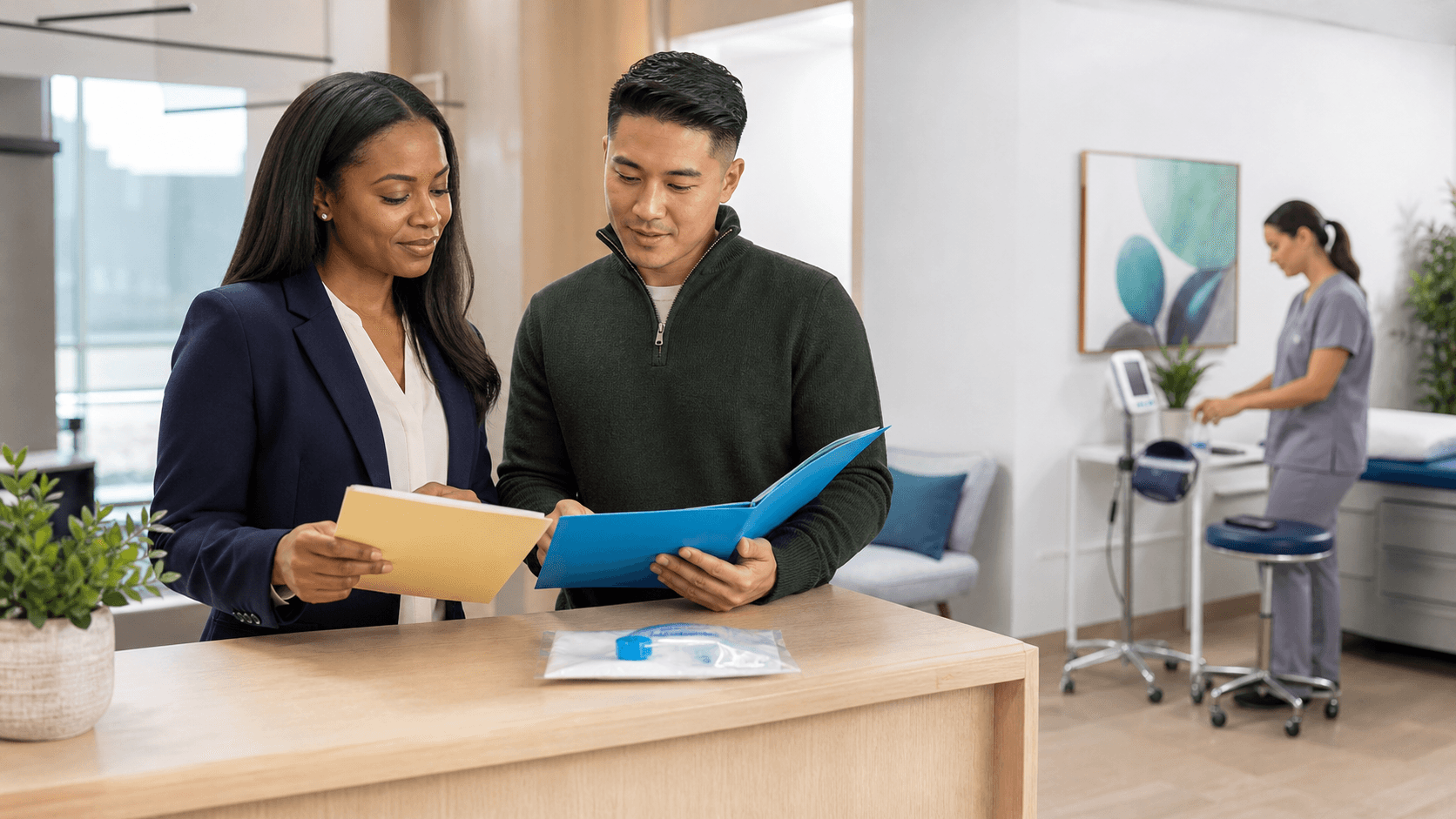
- A healthcare support role: A blended approach often makes sense, with health screening for immunizations or respirator use and drug testing to manage safety in patient care spaces.
Budget and candidate experience matter too. You do not want to over-test low-risk roles and slow down hiring for seasonal staff in a busy fall rush. Clear, simple steps, quick turnaround, and respectful communication help keep candidates engaged while still protecting your organization.
Seasonal hires may warrant a lighter mix than permanent staff, as long as you meet regulatory needs and your own risk comfort level.
Building a Compliant, Candidate-Friendly Policy
Turning all this into a clear policy is where many teams get stuck. A good policy should spell out:
- Which roles require pre-employment health screening
- Which roles require drug testing, and what type
- When in the hiring process each step happens
- How results are reviewed and who is involved
Consistency matters. People in similar roles should follow the same rules, or you risk both legal trouble and employee frustration. Alignment with federal, state, and local rules is key, especially around timing, consent forms, and what you are allowed to ask or test.
To make the process less scary for candidates, consider:
- Using plain language in job postings to explain what will happen and why
- Sharing simple instructions before any clinic or lab visit
- Providing quick follow-up, so candidates are not left waiting in the dark
- Training hiring managers to answer basic questions in a calm, respectful way
Many employers also extend screening beyond day one. Depending on your risk profile, that might include:
- Periodic health checks for roles with ongoing physical strain
- Drug testing that covers post-accident, reasonable suspicion, or random events
- Continuous employee monitoring tools that alert you to new background information that may affect risk
Done thoughtfully, this turns screening into an ongoing safety program instead of a one-time hurdle.
Turn Screening Decisions Into a Strategic Advantage
At ClearStar, we see screening as more than paperwork. It is a chance to build the kind of workforce you actually want, safe, steady, and ready for what comes next.
A good first step is a simple audit. List your roles, the risks that come with each, and which ones currently include pre-employment health screening, drug testing, both, or neither. The gaps usually appear fast, especially when you compare safety-sensitive work to your current policy.
From there, many organizations find it easier to streamline by working with one partner that covers background checks, occupational health services, drug testing, social media screening, and continuous monitoring in a single workflow. That support can be especially helpful as autumn hiring ramps up and winter weather starts to affect work conditions.
When you line up the right mix of tools before the busy season, your team can move into the new year with fewer surprises, fewer avoidable incidents, and a stronger sense of confidence in every new hire who walks through the door.
Protect Your Workforce With Confident Hiring Decisions
Our pre-employment health screening solutions are designed to help you make safer, more informed hiring choices while supporting employee well-being. At ClearStar, we work with you to build screening programs that align with your policies, industry standards, and risk profile. If you are ready to strengthen your hiring process, reach out to our team through our contact page to discuss your next steps.