Fingerprint Checks That Do More Than Match Prints
Hiring moves fast, especially as fall ramps up and teams rush to get people in the door before the holidays. Resumes look clean, interviews go smoothly, and references all sound positive. But on the back end, HR is asking a quiet question: are we really seeing the full risk picture?
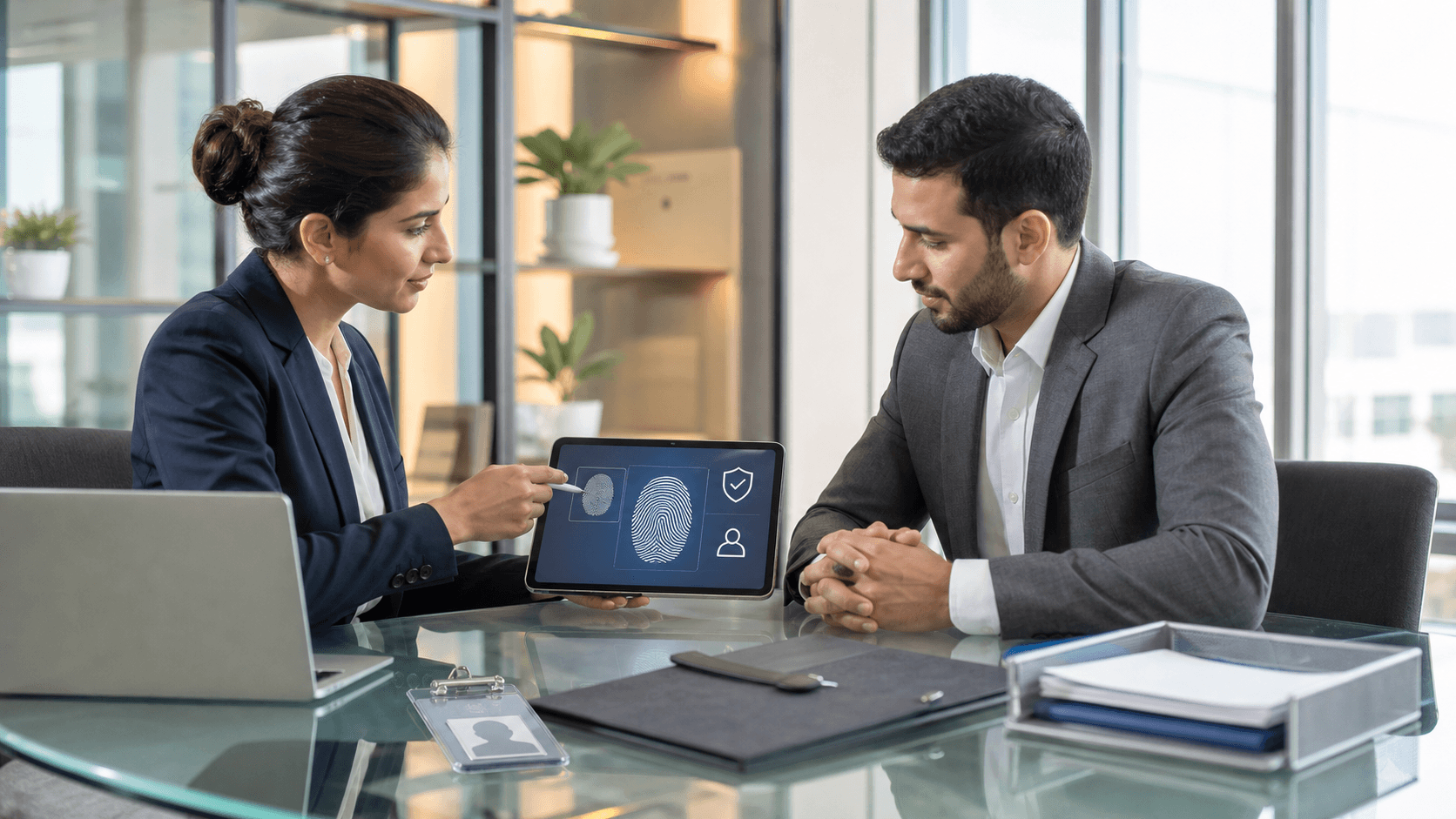
Fingerprint background checks help answer that question. In simple terms, they are a way to tie one real, live person to records that may be spread across different courts and agencies. They do not just ask, "Does this print match a file?" They ask, "What history is actually linked to this person, even if names, spellings, or addresses changed over time?"
That difference matters when name-based checks might miss records under old aliases or typos. As hiring picks up for seasonal roles and new-year planning, it is not enough to stop at "The fingerprint matched, so we are done." The smarter move is to ask: "What does this match unlock, what are we allowed to use, and how do we use it fairly?"
How Fingerprint Background Checks Really Work Today
Fingerprint checks start with a simple act: capturing the print. This can be done with old-school ink cards or with a live scan device that takes an electronic image of the fingers. The live scan option is faster and cleaner, and it is common in many HR offices and screening centers.
From there, the prints are sent to approved databases. Depending on the job and legal rules, that can include:
- Federal criminal repositories
- State-level databases
- Industry-specific systems, like those for transportation or healthcare
The matching systems look at the ridges and patterns in the print, then compare those to what is on file. If there is a match, records tied to that fingerprint number may come back to the screening provider for review.
Here is the part many people miss: not every court record lives in a fingerprint-based system. Some local courts do not send every charge. Some records take time to be updated or may be incomplete. That means:
- Coverage can vary from state to state
- Update timing is not the same everywhere
- Old or minor records might not be included
So when we talk about going beyond biometrics, we are really talking about this: the fingerprint is a strong key that opens a door into a larger records world. Those records still need to be checked, confirmed when needed, and read in light of current laws and your hiring policy.
Beyond the Match: Context Is the New Competitive Edge
A fingerprint match by itself is just a pointer. It does not say whether someone is a risk for your open role. That is where context comes in.
When results come back, a smart review looks at:
- How serious the offense was
- How long ago it happened
- Whether it is related to the job
- What has happened since, like stable work or clean history
Without that context, it is easy to misread a record. For example, a single old charge that was later reduced or dismissed can look scary at first glance. If HR is under pressure to fill roles before the holiday rush, it is tempting to overreact and just move on to the next candidate. That can lead to:
- Overly broad "no hire" choices
- Friction with compliance rules
- Losing out on people who could be great hires
The language in fingerprint results can also be confusing. Terms like "nolle prosequi," "expunged," or "reduced" are not everyday words. A service-first screening partner can help translate those into plain language so you know what is actually reportable and what it means for your hiring decision. That way, you are not just looking at a scary acronym; you are working from clear, job-related insight.
Safety, Fairness, and Compliance in a Changing Landscape
Fingerprint background checks sit inside a web of rules that employers need to respect. For many employers, that includes the Fair Credit Reporting Act, which sets standards for how background information is collected and shared. There is also guidance from the Equal Employment Opportunity Commission on how criminal history should be used in hiring, with an eye on fairness and avoiding discrimination.
On top of that, local or state laws may limit blanket bans, like "no one with any felony ever." Some areas require individualized assessment that considers the nature of the offense, the time passed, and the job duties.
This tension is sharp in fields like:
- Healthcare and caregiving
- Transportation and delivery
- Education and childcare
- Financial services and other high-trust roles
These employers have a real duty to protect vulnerable people and sensitive assets. At the same time, many also want to support second chances when it is safe and lawful to do so.
As businesses gear up staffing plans for the last quarter of the year, it helps to have:
- A clear adjudication matrix that matches offense types to job types
- Standard fingerprint policies that apply the same way for all candidates
- Defined steps when records appear, including review and documentation
That kind of structure reduces guesswork, cuts down on delays, and keeps hiring moving, even when HR teams are buried in seasonal volume.
From One-and-Done Checks to Ongoing Confidence
A one-time fingerprint check at hire is a helpful start, but it only covers what has happened up to that moment. Workforces change, life events happen, and risk can shift over time.
Many employers are now looking at continuous monitoring, where they receive alerts about new reportable events, when allowed by law and with the right consents in place. Fingerprints can serve as a strong anchor for that kind of long-term view, because they connect the same person to records that might appear later.
When fingerprint checks are paired with other screening tools, the picture gets even clearer. That can include:
- Drug testing for safety-sensitive roles
- Occupational health screening to confirm fitness for duty
- Other background tools that match your risk level and industry
The result is not a more stressful hiring season; it is actually calmer. HR teams know what will be checked and when. Re-check policies do not have to be improvised every time someone moves into a new role. Onboarding feels more predictable, even when the weather cools down and hiring heats up.
Bringing It All Together With ClearStar
Fingerprint background checks are powerful, but the fingerprint itself is only the start. The real value comes from how results are collected, read, explained, and used inside a fair and compliant hiring process.
At ClearStar, we focus on turning that single biometric match into fast, clear, and compliant screening workflows that respect candidates and support smart hiring decisions. We pair technology with a service-first mindset so HR and compliance teams get help interpreting complex records, building consistent policies, and connecting fingerprints with drug testing and occupational health screening for a fuller risk view.
When employers treat fingerprint background checks as a key into a larger, living records system, they gain something important: confidence. Confidence that they are protecting people, respecting second chances, and making decisions that will still feel good long after the busy fall hiring season ends.
Strengthen Your Hiring Decisions With Reliable Screening
Put our experience to work with comprehensive fingerprint background checks that help you confidently verify candidate identities and criminal history. At ClearStar, we combine advanced technology with dedicated support to deliver fast, accurate results tailored to your industry. If you are ready to streamline your screening process and reduce risk, reach out to our team through our contact page today.