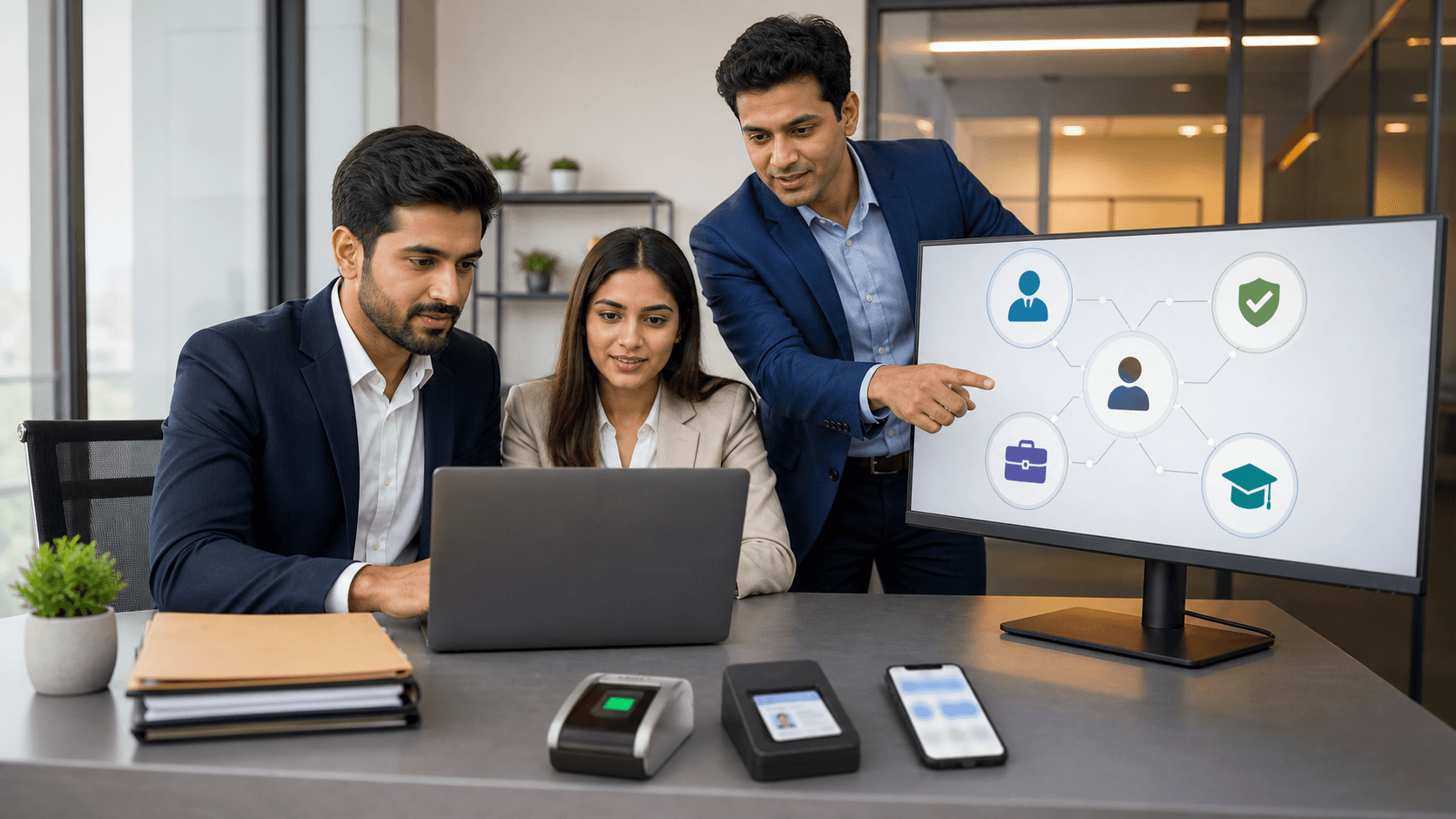
Hiring has always been high stakes, but the pressure has really intensified. Talent is scarce, roles are more remote and distributed, and compliance expectations keep piling up. Background screening is right in the middle of that storm. If checks are slow, inaccurate, or inconsistent, the entire hiring process feels stuck. If they are fast, accurate, and fair, they become a quiet superpower for HR and security teams.
This is where artificial intelligence and modern employment screening technology meet. At ClearStar, we look at AI not as a sci-fi concept but as a practical way to turn messy, manual work into smart, reliable workflows. In this article, we will walk through how AI is reshaping background screening, the guardrails that actually matter, and realistic ways HR, security, and IT teams can put it to work without losing control of compliance or candidate trust.
Why AI Is Rewriting the Rules of Background Screening
AI in background screening is not about robots doing interviews. It is about pattern recognition, automation, and better decision support baked into employment screening technology. Think of it as giving your screening program a sharper set of eyes and a much better to-do list.
Hiring teams are dealing with:
- Fast-changing job markets and talent shortages
- Hybrid and remote workers spread across multiple locations
- Expanding state and local regulations that shape what you can and cannot do
In that context, AI can help screening programs:
- Move faster without cutting corners
- Improve match accuracy across large data sources
- Support fair, consistent evaluations instead of gut feel
Our focus at ClearStar is practical. We care less about buzzwords and more about what helps real HR, security, and compliance teams get reliable results at scale.
From Manual Maze to Smart Workflow
Traditional background checks often feel like a maze. Data sits in different systems, someone is retyping information from one screen into another, you are waiting on a county court record, and there are emails back and forth with candidates about forms or missing details. It works, but it is slow and fragile, especially when volume spikes.
AI-powered workflows change that feel. Instead of people juggling every micro-task, the system can:
- Route orders correctly based on role, location, and package rules
- Flag missing or inconsistent candidate data before it causes delays
- Match incoming records to the right person more reliably
- Push only the right exceptions to human reviewers
This does a few important things at once. Turnaround times drop because the routine work does not sit in someone's inbox waiting for attention. Throughput in busy seasons becomes more predictable, which makes recruiters a lot less anxious. And service levels stop depending on who happens to be working on a given day.
On the candidate side, smarter workflows mean fewer confusing emails and status questions. With well-designed employment screening technology, candidates see where they are in the process, what is needed from them, and what happens next, which builds trust instead of frustration.
Accuracy, Insights, and the Power of Better Data
Speed is only helpful if the information is right. AI is especially good at sifting through large data sets to improve match quality and reduce noise. In screening, that translates into fewer false positives, fewer duplicate records to sort out, and less manual detective work.
Done correctly, AI helps your program:
- Match records to the right person with more confidence
- Spot inconsistent or outdated data before it reaches a hiring manager
- Reduce the time spent clearing obviously irrelevant hits
There is also the question of insight. Background checks generate a lot of data, and most teams use only a small slice of it. AI-driven analytics can help you see patterns, such as:
- Which roles tend to generate the most report hits and why
- Where certain checks are rarely relevant and could be adjusted
- How your screening approach compares across departments or locations
The goal is not to drown HR and security in dashboards. The goal is to surface the right insights at the right moment, inside employment screening technology that fits into your daily workflow. That way, you are not just running checks, you are learning from them.
Guardrails That Matter: Ethics, Bias, and Compliance
Any conversation about AI in background screening has to address the hard questions. Bias in models is real. Over-automation can lead to decisions that no one can explain later. Hiring and employee monitoring are not places where mystery is acceptable.
Properly designed AI should support, not replace, human judgment. That means:
- Clear, consistent criteria that can be audited
- Logic that can be explained to legal, compliance, and regulators
- Tools that highlight information, not tools that silently decide who is hired
Compliance is the anchor. Screening still has to align with FCRA obligations, EEOC guidance, and the growing web of state and local rules. Consent, proper disclosure, and data privacy are not optional. AI does not remove those requirements; it has to operate inside them.
We are big believers in human-in-the-loop review. That includes structured adverse action workflows, transparent reporting, and clear documentation of how final decisions are made. When you work with an employment screening technology provider, it is worth asking exactly how their AI features work, where the data comes from, and how they maintain fairness and accuracy.
Practical Ways HR and Security Teams Can Use AI Today
You do not need to flip a switch and hand your entire screening program to AI. The most effective approaches start small and targeted. For example, you can use AI to:
- Prioritize background checks based on role risk or start dates
- Triage potential record hits so reviewers see the most urgent ones first
- Auto-update recruiters and candidates as status changes, without extra emails
AI is also useful beyond pre-employment checks. Many organizations use ongoing workforce monitoring for safety-sensitive roles, license verification, and drug and occupational health screening follow-ups. AI can help sort which events require urgent attention and which can follow a standard workflow.
To do this responsibly, HR and security teams should partner with IT and legal to evaluate:
- What data sources are involved and how they are protected
- How AI logic is documented and monitored
- Which decisions must always have human sign-off
Change management matters. Recruiters and hiring managers should know what is changing, what still needs their judgment, and how to interpret any new flags or scores they see. Early monitoring and feedback loops will tell you quickly if the new process is actually helping.
Choosing the Right AI Partner in Background Screening
Not all employment screening technology is the same, especially when AI enters the mix. When you evaluate providers, it is worth looking closely at:
- Data quality and how records are sourced and maintained
- Security practices that protect candidate and employee information
- A clear, documented approach to compliance across jurisdictions
- Transparency about what their AI does and does not do
Integration is another key piece. Screening tools should plug into your ATS, HRIS, and onboarding platforms so that recruiters are not copying and pasting information between systems. AI should simplify workflows, not create new manual work in yet another login.
Customization also matters. Different roles, locations, and industries carry different levels of risk and different regulations. Good providers let you tailor rules, risk thresholds, and workflows so the technology reflects your actual policies.
At ClearStar, our focus is on bringing AI, automation, and compliance-aware design together so organizations that need reliable scale can get it without losing control of fairness or accuracy.
Turning AI Possibilities Into Hiring Advantages
AI is not magic, but used inside thoughtful employment screening technology, it can quietly change what hiring feels like. When background checks are faster, more accurate, and more consistent, recruiters move with confidence, candidates feel respected, and leaders trust the decisions being made.
This is the right time to treat screening as a strategic function instead of a bottleneck. Review your current process, map out the slowest and most error-prone steps, and identify where automation and AI-driven insights could meaningfully help. With the right partner and the right guardrails, AI in background screening stops being a buzzword and becomes a practical, measurable advantage for your hiring and workforce programs.
Transform Your Hiring With Smarter Screening Today
Take the next step toward safer, faster hiring by leveraging our advanced employment screening technology tailored to your business needs. At ClearStar, we help you streamline background checks so you can confidently move qualified candidates through your pipeline. If you are ready to modernize your screening process or have questions about the best approach for your organization, contact us to talk with our team.