Designing Employee Monitoring Software for Safety-First Workplaces
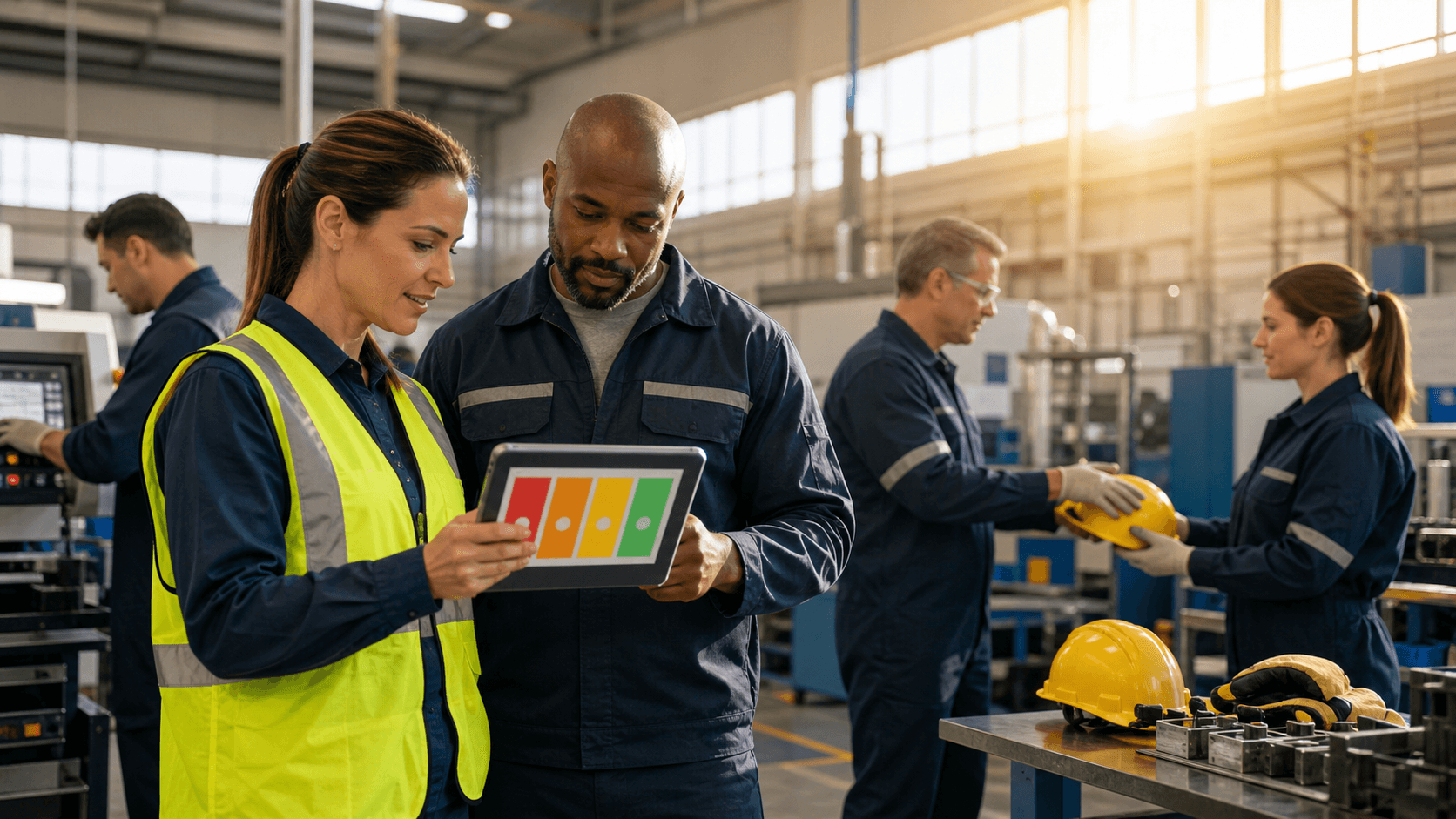
Employee monitoring software can do a lot more than count keystrokes or watch screens. When it is designed well, it quietly supports safer workdays, calmer managers, and fewer scary close calls. That is what we focus on: using smart tools to protect people, not to squeeze every last second of productivity.
In busy seasons like late fall and early winter, the risk dial turns up. The holiday rush, year-end deadlines, slippery sidewalks, long shifts, and tired teams all stack together. Small distractions turn into big incidents. Thoughtful monitoring acts like digital guardrails, not digital handcuffs, helping HR, safety leaders, and supervisors spot red flags before they turn into accidents or compliance problems.
Rethinking Monitoring as a Safety Partnership
Old school "spyware" style tools try to watch everything and tell no one. That approach usually backfires. People feel tricked, trust drops, and the data often misses the real issues, like burnout, unsafe shortcuts, or rushed onboarding.
A safety-first view treats employee monitoring software as a partnership between three groups:
- Workers who want to go home safe and on time
- Managers who are responsible for safe schedules, tools, and workloads
- Systems that watch for patterns humans might miss
Each side has a job. The system flags risk, managers respond with coaching and support, and employees know what is being watched and why. That is why transparency matters so much, especially for hybrid or dispersed teams who rarely meet in the same room.
Clear, open design means:
- No hidden apps running in the background
- Simple explanations in plain language
- Training that shows how monitoring helps safety, not punish
When people understand the goal is to keep them safe and compliant, they are far more likely to speak up, report issues early, and work with the data instead of fighting it.
Core Design Principles for Safety-First Monitoring
If we want software to actually protect people, the design has to start with people, not just numbers on a dashboard.
First, focus the tool on safety risk signals instead of tiny, stressful metrics. For example:
- Repeated late-night logins that may show fatigue
- Access to higher-risk systems at odd times
- Policy violations tied to safety-sensitive tasks
These clues often point to someone who is stretched too thin, not someone who needs punishment. When HR and safety leaders see these early, they can adjust staffing, support training, or pull someone off a risky task until they are ready.
Second, build in privacy by design. That means:
- Role-based access to data so only the right people see sensitive details
- Short, clearly defined data retention windows
- Collecting the least amount of data needed to meet safety and compliance goals
People do not need or want a digital spotlight on their whole day. They simply need to know that the data connected to high-risk work is handled with care and kept only as long as it is truly needed.
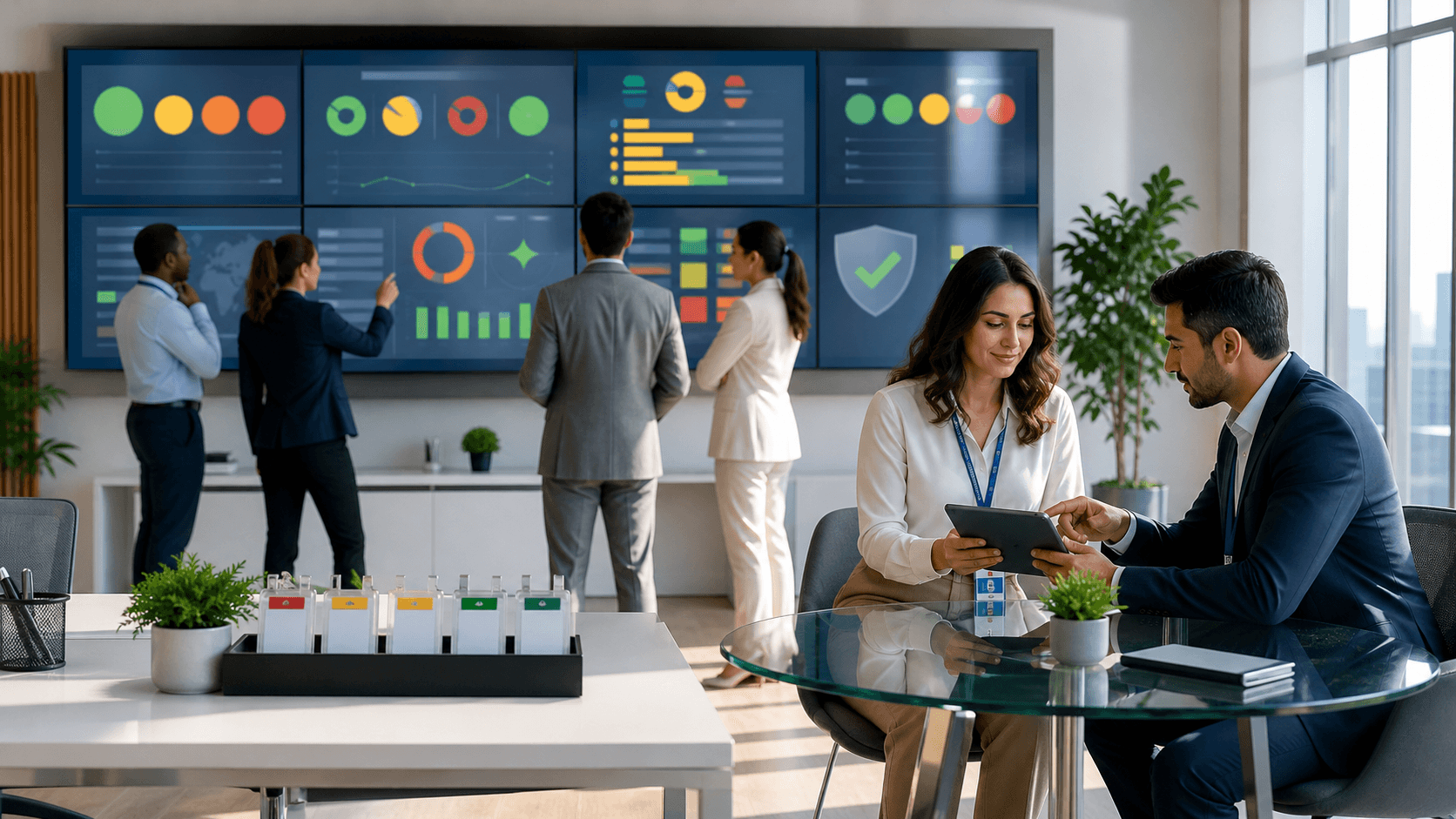
Third, make everything explainable. Dashboards and alerts should answer three simple questions:
- What did we monitor?
- Why did we monitor it?
- What does this alert actually mean?
When employees and managers can see and question the data, trust grows. They can correct errors, add context, and work together on real fixes.
Turning Monitoring Data Into Real Safety Wins
Data alone does not prevent accidents. Action does. The magic comes from turning signals into clear, fair workflows.
Good employee monitoring software can:
- Trigger automated alerts for risky behavior or unusual access
- Prompt safety coaching when someone repeats the same mistake
- Start simple incident-prevention steps before something breaks or someone gets hurt
Instead of hunting for one "gotcha" moment, we look for patterns. Are people working through too many late nights? Is a certain location always rushing training during busy months? Are new hires given complex, safety-sensitive tasks too soon?
When we cluster the data, we can make better choices, such as:
- Updating safety training to focus on the right tasks
- Adjusting staffing during peak seasons to cut down on fatigue
- Changing protocols so high-risk actions require an extra check
This is where monitoring stops feeling like a spotlight and starts feeling like a shared safety tool.
Compliance, Consent, and Culture in a Digital Workplace
Any monitoring program has to fit within employment laws, privacy rules, union agreements where they apply, and industry standards. Those rules shape what data you collect, how long you keep it, and who is allowed to see it. They also shape how you explain monitoring to your people.
Good practice usually includes:
- Clear, written policies that use plain language
- Pre-launch Q&A sessions so employees can raise concerns
- Regular reminders that monitoring is about safety and compliance, not "catching" people
Culture is just as important as compliance. When leadership, HR, and safety teams all own the rollout together, it sends a strong message. And when frontline workers have simple channels to share feedback and challenge unfair outcomes, the software becomes part of the culture instead of something done to it.
Building a Monitoring Tech Stack That Puts Safety First
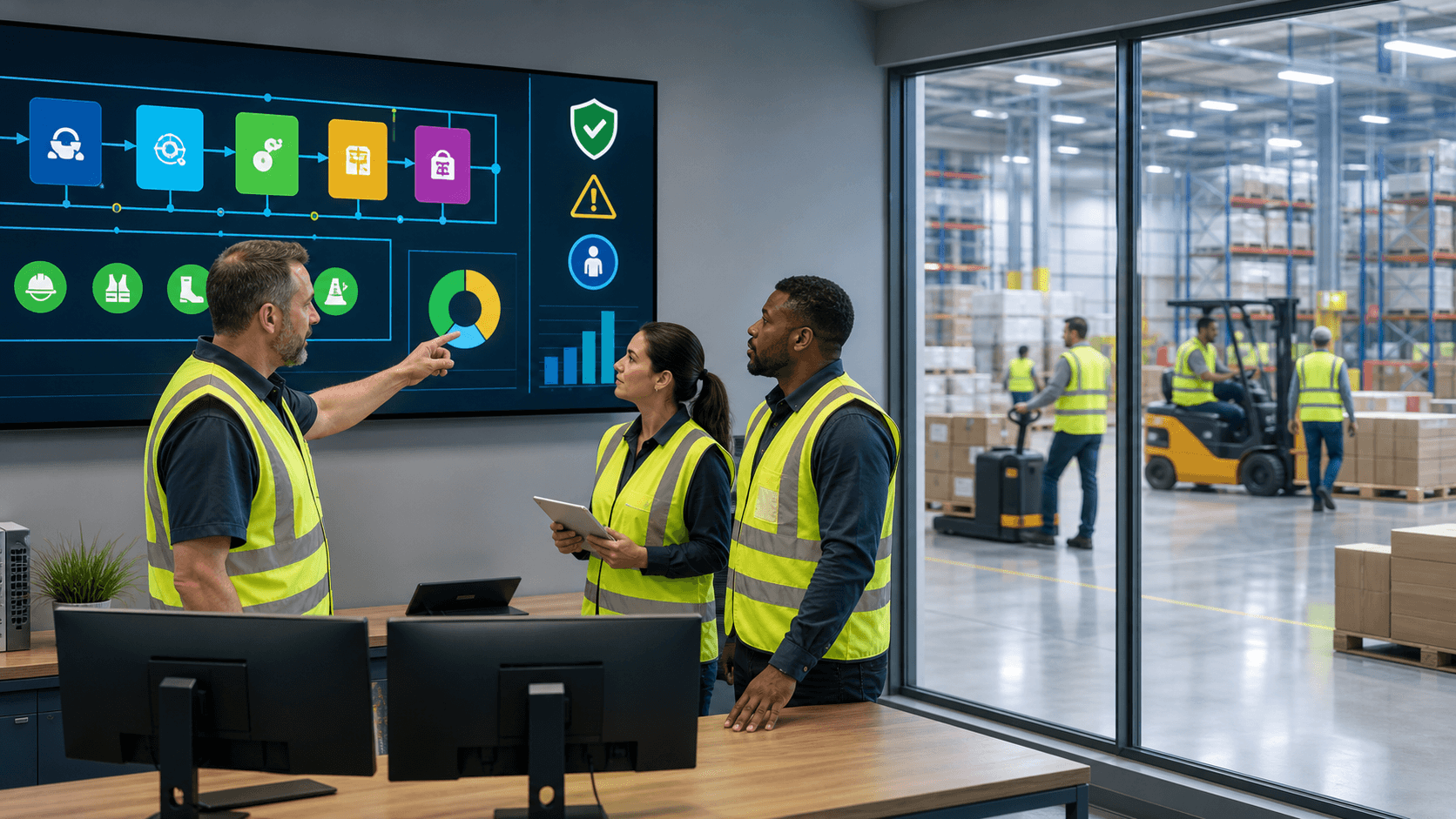
Behind the scenes, the tech stack matters. Safety-first monitoring works best when it connects smoothly with HR and safety systems so you are not chasing data in ten different tools.
Key features often include:
- Secure integrations with HR, access control, and safety platforms
- Configurable risk thresholds so you can match alerts to your real work
- Real-time views for the people who must respond quickly, like supervisors and HR
Usability is a big deal too, especially for field teams dealing with changing weather or busy holiday shifts. Interfaces should be:
- Simple and easy to read
- Mobile-friendly for people who are rarely at a desk
- Tailored dashboards for HR, safety leaders, and frontline managers
A strong vendor partnership helps keep all of this aligned with new risks and new rules. Service-first support, thoughtful customization, and steady updates matter just as much as the code itself. At ClearStar, we bring that same service-first mindset we are known for into how we think about employee monitoring software, always combining compliance knowledge with real care for people and their work.
Launching Your Safety-First Monitoring Program with Confidence
Rolling out safety-first monitoring works best in clear steps. Many organizations start with:
- Discovery and stakeholder alignment so everyone agrees on goals
- A pilot with a small, representative group
- Built-in feedback loops to adjust alerts, policies, and training
- A phased expansion tied to simple safety and compliance measures
Fall and early winter can be a smart time to tune policies and train managers. Teams are bracing for cold-weather challenges, holiday schedules, and end-of-year pressure, which makes safety risks more visible. Getting monitoring in place before the peak crunch helps everyone head into the season with a bit more confidence and a lot more clarity.
Improve Workforce Visibility And Protect Your Business
If you are ready to gain clearer insight into daily operations and reduce compliance risk, our employee monitoring software can help you move forward with confidence. At ClearStar, we work with you to align monitoring practices with your policies, culture, and legal requirements. Start a conversation with our team today to explore the right approach for your organization, or contact us to schedule a personalized walkthrough.