Building Risk-Ready HR Before the New Year Rush
Year-end for HR is rarely quiet. It's a time of audits, last-minute hires, new policies, and rules that all seem to hit at once. Seasonal roles open, managers want people on the floor quickly, and Legal is asking for clean records and clear proof that everyone is cleared to work.
This is often where traditional employee monitoring software shows its limits. It reports what already went wrong, after the fact. It fills your screen with logs, alerts, and numbers, but does not help you see risk coming before it affects your people, your customers, or your brand.
A service-first model, like the one we follow at ClearStar, helps HR close the year with less noise, stronger data, and more confidence. Instead of scrambling in the last quarter, you finish strong and step into the new year with fewer surprises and a documented story that stands up in an audit.
Why Legacy Monitoring Tools Keep HR Stuck in the Past
Most older employee monitoring software was built to track activity, not risk. It focuses on logins, time-on-screen, or even keystrokes. That may create the appearance of control, but it often leads to a wall of data that no one has time to interpret.
Common challenges include:
- Endless activity logs that do not tie to real behavior or real risk
- Manual reviews where HR has to copy data into spreadsheets just to make sense of it
- Background checks in one system, drug testing in another, and monitoring somewhere else
- Limited or no visibility into contractors, gig workers, or seasonal staff
When fall hiring hits and you bring in waves of short-term workers, these limits scale quickly. You are trying to move quickly, but old tools slow you down. It becomes harder to vet people, onboard them, and watch for risk in a way that is fair, legal, and consistent.
Instead of acting like a smart safety net, legacy tools behave more like a noisy alarm that never stops beeping.
Rethinking Employee Monitoring Software as a Risk Radar
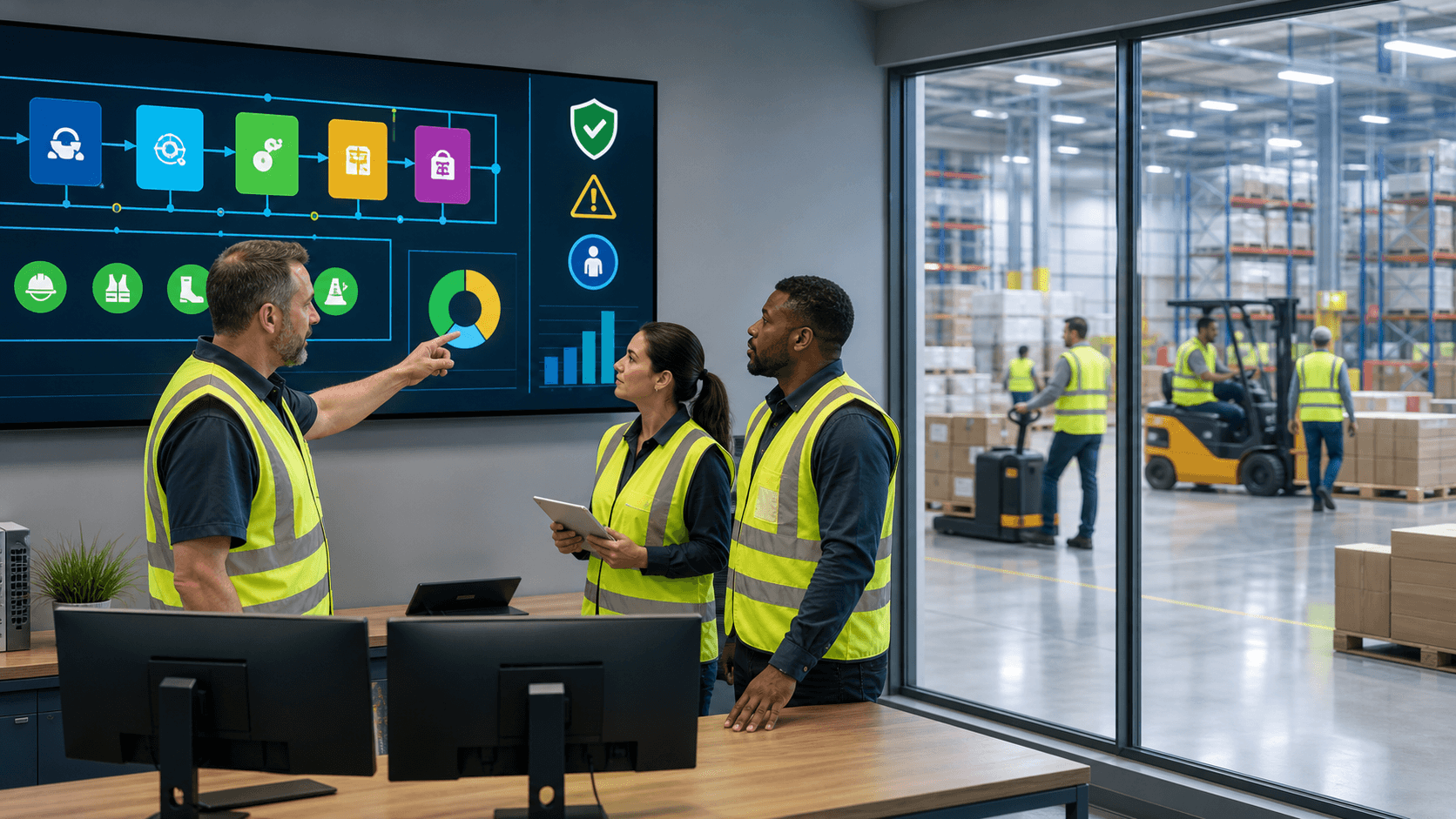
Employee monitoring software can be more effective when it functions as a risk radar. Not a spy tool, not a stopwatch, but a clear view across the whole worker lifecycle.
That means connecting:
- Pre-hire screening, including background checks
- Ongoing monitoring, like criminal checks, sanctions, or license status
- Occupational health and related data
When these pieces come together, you get early signals. You can see if a license is about to expire, or if a new criminal record might affect a safety-sensitive job. Issues move into focus before they become accidents, compliance failures, or reputational damage.
Data alone, however, is not enough. The value comes from clear, written workflows so everyone knows what to do when a signal appears. HR, Legal, and compliance teams should agree on:
- What triggers a follow-up
- Who gets notified
- What steps to take and when
- How to document each decision
With good policies, your risk radar does not just beep. It guides smart, repeatable action.
Blending Screening, Health, and Monitoring for Real Insight
A single background check at hire is a snapshot. Real risk management needs a moving picture. That is where blending background checks, drug and occupational health screening, and ongoing monitoring comes in.
When these work together, you get a dynamic risk profile for each role. This is especially important in fields like:
- Transportation, where driving records and fitness for duty matter every day
- Healthcare, where licenses, sanctions, and safety standards need constant attention
- Retail, where seasonal staff expand the team and customer-facing risk grows
- Manufacturing, where equipment, shift work, and workplace injuries are daily factors
As the busy fall and holiday seasons roll in, this blended view helps you stay ahead of risk instead of chasing it. You can see which roles need closer monitoring, which checks are most important, and where to tighten your screening steps.
A service-first partner provides more than reports. You get guidance on what to monitor, how often to do it, and how to interpret complex findings with confidence. That means less time decoding, more time acting.
Balancing Compliance, Privacy, and Culture Without Killing Trust
There is also the human side. Many people hear "employee monitoring software" and think of constant surveillance. Keystroke trackers, webcam checks, and continuous screen captures can feel intrusive. They can hurt trust, morale, and potentially invite legal scrutiny.
A people-first approach looks different. It focuses on job-related risk, not tracking every move. Effective practices include:
- Clear policies written in plain language
- Obtaining proper consent and honoring limits
- Role-based access, so only the right people see sensitive data
- Open communication about what is monitored and why
- Focusing on data that connects directly to safety and compliance
By fall, many teams are preparing for year-end compliance reviews. This is an ideal moment to review your monitoring practices and make sure they match state and federal rules. Good documentation, clear notices, and consistent workflows help protect both your people and your organization.
Turning Monitoring Insights Into Proactive HR Strategy
When done well, monitoring insights become more than alerts. They become input for smarter HR decisions.
You can use patterns in the data to:
- Update job descriptions so they match the real risks of the role
- Refine hiring criteria, especially for high-risk or safety-critical positions
- Redesign training to address recurring health or safety gaps
- Improve onboarding for seasonal staff in high-turnover areas
Over time, you might see repeated issues, like license lapses in a certain role or recurring problems in specific sites during busy seasons. Those patterns help you plan staffing, training, and oversight for the year ahead.
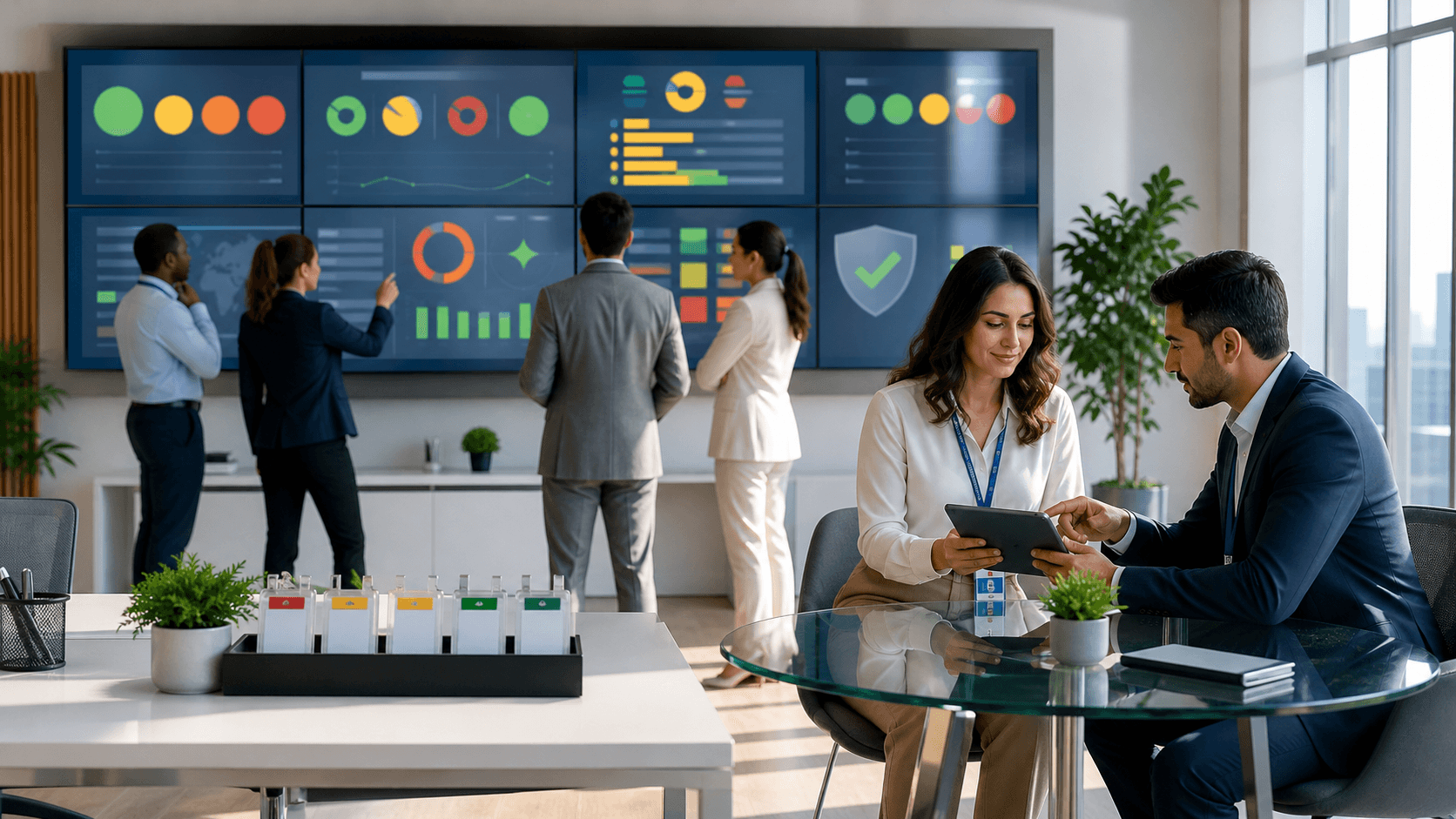
Modern dashboards and alerts make it easier to summarize this story for leaders. HR can walk into fourth-quarter planning meetings with clear, visual summaries that show where risk is rising, where it is under control, and where targeted investment is needed.
Making This Fall the Moment You Redesign Risk Readiness
Fall does not have to be a scramble. It can be the season where you step back and rework how your organization thinks about risk, safety, and trust.
A simple roadmap might look like this:
- Start with a risk assessment of your current tools, data, and policies
- Prioritize high-impact roles, like safety-sensitive or customer-facing jobs
- Connect background screening and occupational health data into one flow
- Add continuous monitoring for key checks with clear response playbooks
- Review policies for privacy, consent, and access so they match current rules
At ClearStar, we work in this space every day. We focus on service-first, so HR teams have a partner, not just a platform. When background checks, drug and occupational health screening, and ongoing monitoring work together, employee monitoring software stops being a noisy tracking tool and becomes a steady safety net. That is how risk-ready HR teams move into the new year with calm, clarity, and confidence.
Protect Your Team With Insightful, Responsible Monitoring
Our employee monitoring software is designed to give you clear visibility into workforce activity while respecting privacy and supporting a culture of trust. We help you identify risks sooner, streamline compliance, and make smarter decisions with accurate, real-time data. If you are ready to explore a monitoring approach that aligns with your policies and values, reach out through our contact page so ClearStar can help you move forward with confidence.