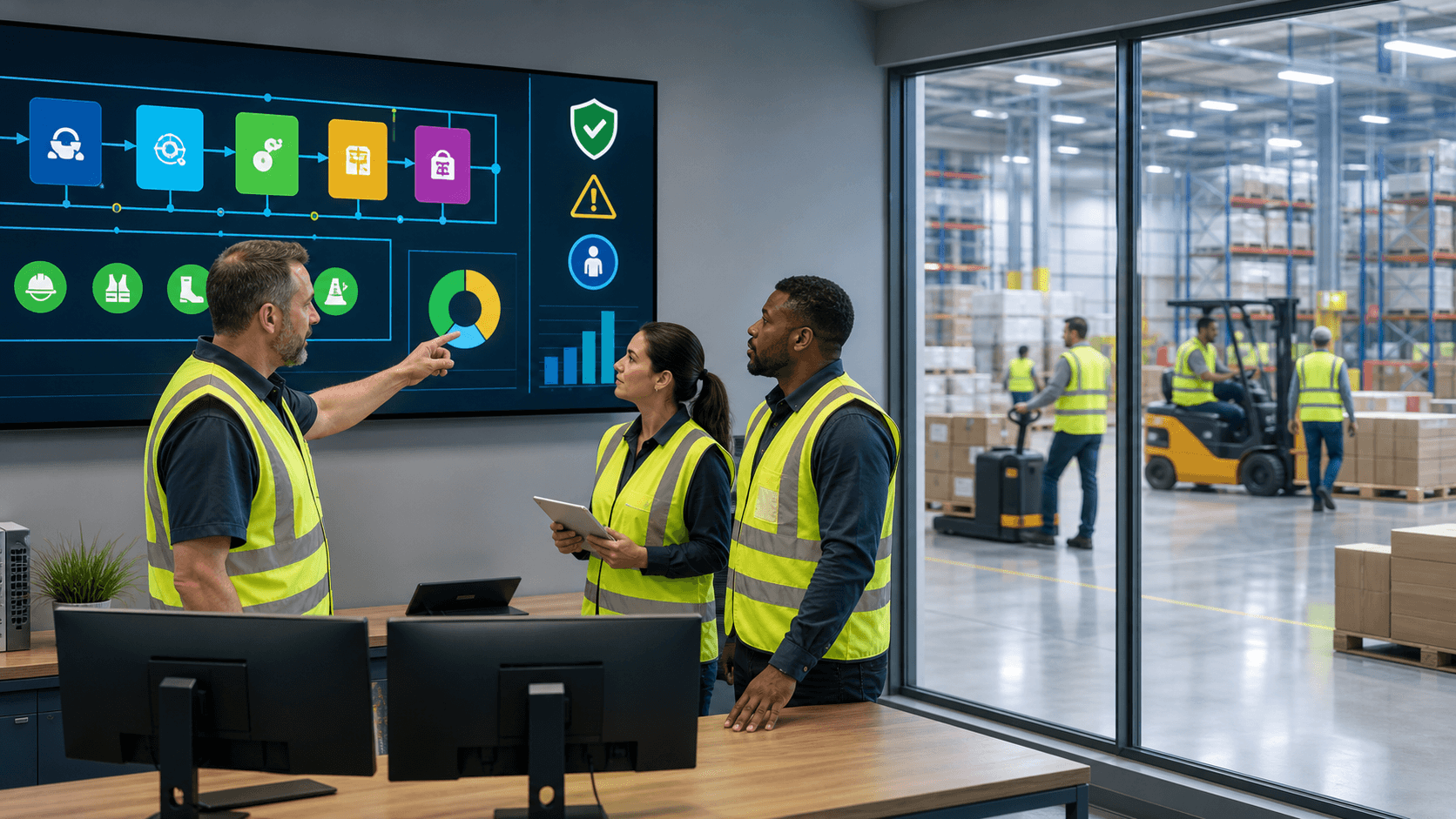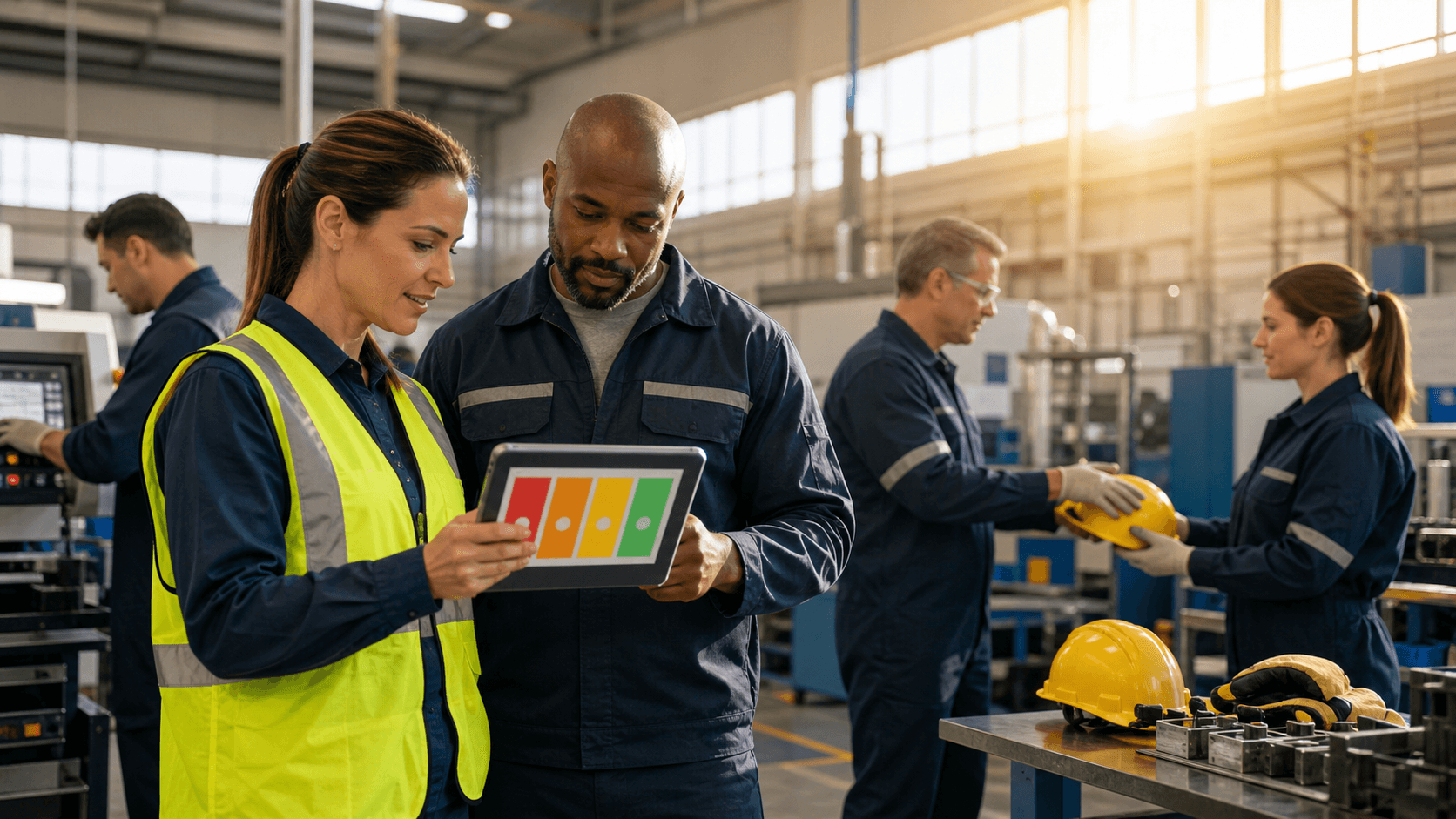
Turn Post-Hire Screening Into a Safety Superpower
Post-hire safety screening protects people, equipment, and production. In a busy manufacturing plant, a single missed risk can turn into an injury, a shutdown, or a tough meeting with an auditor. When we rely only on one background check at hiring, we leave a wide gap between day one and every day after.
Think about a near-miss with a forklift, where the operator quietly lost their license, or a worker with a new medical restriction still assigned to heavy lifting. Post-hire screening is how we catch those changes before something goes wrong. At ClearStar, we see this as an ongoing safety net that combines background checks, drug and occupational health testing, and incident-triggered reviews across all plants and shifts.
In this article, we will walk through how to design that safety net, how often to re-screen, how to line up timing across many sites, and how to stay compliant while you do it. Our focus is on practical steps that work in high-hazard manufacturing, from packaging lines to heavy metal fabrication.
Why Manufacturing Plants Need Ongoing Safety Screening
Manufacturing never really stands still. Production targets spike before peak seasons, shifts get longer, and temporary workers fill the gaps. New equipment shows up on the floor, and tasks change. With all that motion, the risk around each role changes too.
Post-hire manufacturing safety screening helps you see when an employee's risk profile moves out of the safe zone. That might look like:
- New criminal activity that affects trust in safety-sensitive roles
- Fresh motor vehicle issues for anyone driving forklifts or company vehicles
- Substance use concerns that show up in drug tests
- Expired licenses, safety certifications, or medical clearances
When we track these changes, we can move faster to adjust duties, add training, or pull someone from a role that no longer fits. Plants often see fewer serious incidents, less downtime from damaged equipment, and fewer surprises during insurance or OSHA reviews. Auditors tend to ask how we know workers are still qualified, not just qualified on day one.
Some leaders worry that employees will see re-screening as spying. In our experience, clear and honest communication helps a lot. When we explain that:
- Rules are applied the same way for everyone in the same role
- Results are kept private and shared only with people who need to know
- The goal is to keep people safe so they can go home in one piece
the program starts to feel like a shared safety shield, not a trap.
Building a Smart Post-Hire Safety Re-Screening Policy
A strong policy is the backbone of your program. It answers three questions: who do we screen, how often, and what events trigger extra checks?
We usually build around these pillars:
- Scope: which roles are covered and why
- Frequency: how often we re-screen based on risk
- Triggers: what events cause an extra check
For scope, we focus first on safety-sensitive roles, such as:
- Forklift and industrial truck operators
- Hazardous materials and waste handlers
- Maintenance techs working on high-voltage or critical machinery
- Workers with unescorted access to secure or high-risk areas
These roles may get more frequent checks than office staff, because the impact of a mistake is higher.
Next, we define what we look at during each interval. A common mix for manufacturing safety screening includes:
- Criminal record checks tied to the risk of the role
- Motor vehicle record checks for anyone who drives as part of the job
- Drug and alcohol testing, guided by policy and local law
- Verification of safety training, licenses, and any medical fitness-for-duty requirements
Fairness is key, especially when you run plants in different cities or states. We suggest:
- Standard criteria for each role type across all sites
- Shared templates for documentation and communication
- A central review team for tricky situations or exceptions
That way, one plant does not apply tough rules while another takes a loose approach for the same job.
Timing Post-Hire and Incident-Triggered Checks Across Sites
Timing can make or break your program. If you run re-checks during the busiest week of the year, every supervisor will feel the pain. Instead, we match re-screening cycles to the rhythm of production.
Some helpful timing ideas:
- Align annual or biannual checks with slower production periods or planned shutdowns
- Run "readiness" checks ahead of known peak seasons
- Stagger re-screening by department so you do not pull everyone at once
On top of the schedule, we add incident-triggered checks. These are not random; they should be tied to clear, written triggers, such as:
- Post-accident or post-injury testing, as policy and law allow
- Re-checks after equipment damage or repeated near-misses
- Screening after serious safety rule violations or lockout/tagout failures
- Follow-up when regulators or auditors flag specific safety concerns
Having objective triggers keeps the process fair. It also protects against claims that one worker was targeted while another got a pass.
For multi-site operations, corporate teams can set minimum standards, then allow each plant to adjust timing for:
- Local labor and drug-testing laws
- Union agreements or work councils
- Unique high-risk processes, like chemical mixing or high-heat operations
To roll out new timing rules, change management matters. We like to:
- Start with clear announcements and FAQs for supervisors and workers
- Phase in rules by department or site
- Use dashboards, automated reminders, and integrated systems so HR, safety, and plant managers stay on the same schedule
Compliance Guardrails for Multi-Site Manufacturing Screening
A smart program is only safe if it is also compliant. With repeated screening, the Fair Credit Reporting Act plays a big role for many employers in the United States. That includes:
- Proper disclosures that explain ongoing checks
- Updated consent if the scope of checks changes
- Following adverse action steps if results might affect employment
- Thoughtful data retention and secure storage of sensitive results
Different states and cities also have their own rules on:
- When and how you can run drug and alcohol tests
- How you can use criminal record information
- Privacy rights and access to personal data
When your plants sit in different areas, policies need enough structure to stay aligned, but enough flexibility to respect local law.
One practice that helps across the board is documenting business necessity. That means linking each type of screening to:
- Specific job duties
- Safety risks tied to that job
- Regulatory or customer requirements
If a decision is ever questioned, you can point to that link instead of a vague sense of "we just wanted to know."
Technology is a big piece here. A unified platform like the one we focus on at ClearStar can support:
- Consent tracking and document storage
- Role-based access so only the right people see sensitive results
- Clear audit trails for every check and decision
- Standard decision matrices that apply across all plants, with room for local notes
This keeps your program consistent, even as teams and supervisors change over time.
Turning Your Plants Into a Unified Safety Screening Ecosystem
When we put all these pieces together, the result is a living safety net. Instead of a one-time pre-hire background check, you have an ongoing system that watches for new risk, responds to incidents, and keeps people and equipment safer.
A practical path looks like this:
- Start with one or two pilot plants
- Define scope, timing, and triggers for safety-sensitive roles
- Test communication, forms, and workflows in real life
- Adjust based on feedback from supervisors, HR, and workers
- Gradually roll out the model to more plants with central oversight
At ClearStar, we focus on giving employers and staffing firms technology-driven screening tools that can plug into existing HR and safety systems. That makes it easier to keep all plants on the same page, even when the weather, seasonal demand, and staffing pressures shift.
As automation, robotics, and higher peak volumes reshape manufacturing, plants that treat post-hire screening as a safety superpower will be better prepared. Not just for the next rush order, but for the long run, across every line and every shift.
Protect Your Facility With Confident Hiring Decisions
Our manufacturing safety screening services help you build a workforce you can trust while meeting strict regulatory and safety requirements. We combine industry-specific checks with fast, accurate reporting so you can keep production moving without compromising safety. If you are ready to strengthen your hiring process, contact us and see how ClearStar can support your operation.