Why Post-Hire Monitoring Is Manufacturing's Secret Weapon
Manufacturing floors run on speed, precision, and people. Pre-hire background checks and drug tests help you start strong, but they do not protect you from what happens months later when overtime hits and lines speed up. One-and-done manufacturing safety screening simply cannot keep up with real life on the floor.
That is where post-hire safety monitoring comes in. With continuous, trigger-based screening and fit-for-duty checks by shift, you build a safety net between hiring and long-term performance. These tools help you protect uptime, lower OSHA recordables, and keep workers' comp costs under control, without slowing production.
Post-hire safety monitoring means you keep paying attention to risk after day one. Trigger-based rescreening launches checks only when certain events happen. Fit-for-duty programs by shift give you quick checks to see if someone is safe to work right now. Put together, they support fewer incidents, better union and workforce relations, and more predictable operations during busy seasons like year-end orders.
From Hire Date to Hazard Date
Many plants see their biggest risks after the new hire glow wears off. The first few months often bring:
- Production surges and long stretches of overtime
- Shift changes from days to nights
- Role moves into more physical or safety-sensitive jobs
As people settle in, the work feels routine. That is when fatigue creeps in, especially on night shifts. Repetitive motion on high-speed lines can start to wear on bodies. During holiday peak, distractions rise, and people push through drowsiness to hit targets.
Traditional onboarding checks miss all that. A background check at hire cannot see new personal stress at home. A drug test from months ago will not catch current misuse. A safety class on day one does not account for new machinery, new chemicals, or new production patterns.
Ongoing data is what tells the real story. Helpful signals include:
- Incident and near-miss reports
- Attendance and tardy patterns
- Overtime and shift swap records
- Supervisor observations and coaching logs
When you tie those data points to your safety program, you can see risk going up before a serious event happens.
Trigger-Based Rescreening That Targets Real Risk
Trigger-based rescreening means you do not test everyone all the time. Instead, you decide in advance which events should start a new background check, drug test, or health screen. That way, you focus effort where risk is actually higher.
Common triggers in manufacturing include:
- Moving into a safety-sensitive role, like heavy equipment or high-voltage work
- Taking on driving or DOT-equivalent duties
- Being involved in a near-miss or recordable incident
- Repeated late arrivals or call-outs on safety-critical shifts
- Returning to work after injury, leave, or a long break in service
The goal is balance. You manage risk, but you stay fair. Policies work best when:
- Triggers are written down and shared with employees
- The same rules apply to everyone in the same job group
- Triggers line up with union contracts and plant policies
- Supervisors know how to document events consistently
Compliance and privacy matter too. You need to follow federal and state rules, use proper consent forms, and follow clear adverse action steps when screening results impact work. A compliant screening partner like ClearStar helps keep records organized, timelines clear, and decisions auditable if questions come up later.
Fit-for-Duty by Shift
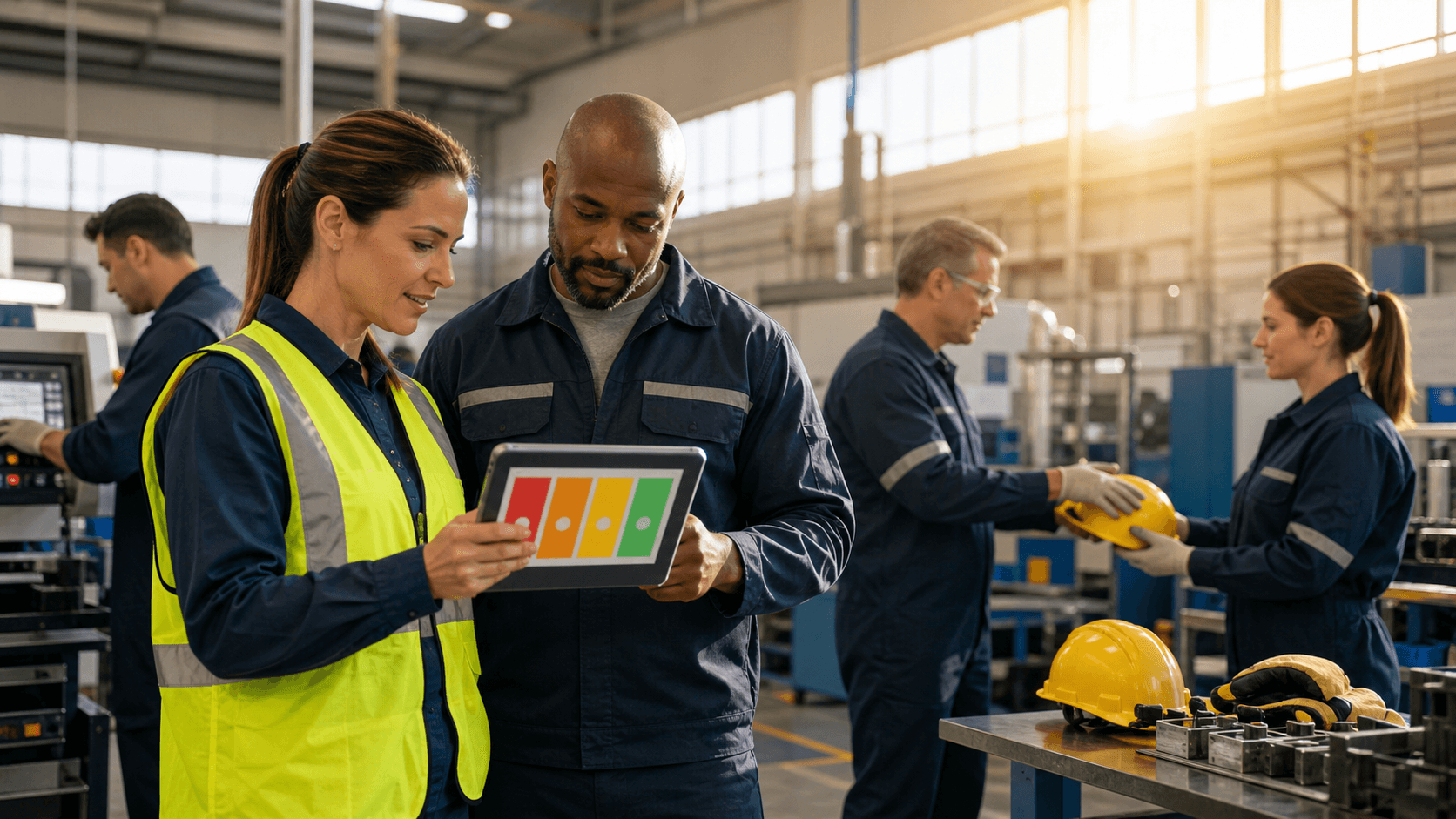
Fit-for-duty programs look at a simple question: is this person ready to work safely this shift? These checks are usually short and repeatable. They can be digital or in-person, and they fit into pre-shift routines.
Different shifts carry different risks:
- Night shift: higher fatigue and lower natural alertness
- Early morning: sleep inertia and commute tiredness
- Weekend overtime: burnout and physical strain
- Turnarounds or big maintenance: long shifts and changing tasks
Fit-for-duty tools might include:
- Brief symptom and fatigue questionnaires
- Digital cognitive or impairment assessments
- Targeted drug and alcohol testing programs
- Focused health checks for very physical roles
When you line up fit-for-duty checks with your manufacturing safety screening and trigger-based rescreening, you get an early warning system. You can spot possible impairment, step in before someone runs a high-speed line while exhausted, and help prevent equipment damage and quality errors.
Building a Data-Driven Safety Monitoring Playbook
To make this all work, it helps to see your plant as a map of risk. Start simple. Look at:
- Which jobs are clearly safety-sensitive
- Which shifts see more near-misses and incidents
- Which lines or locations run the most overtime during peak seasons
From there, build a basic framework:
- Identify triggers, such as role changes, incidents, or attendance patterns
- Decide which workers are in scope for rescreening and when
- Choose which background, drug, or health checks fit each role
- Define when fit-for-duty is required, such as all night shifts or only certain jobs
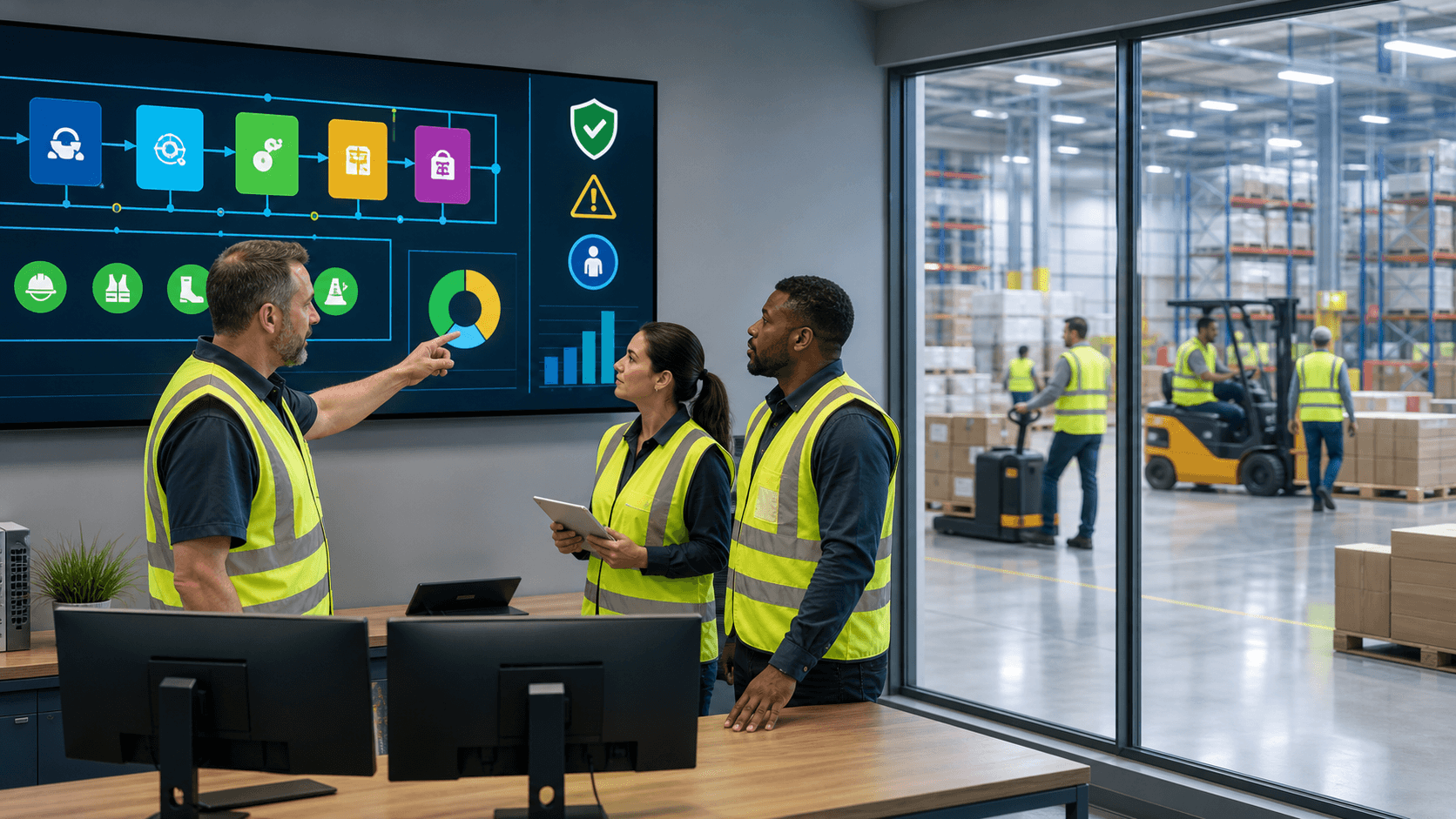
Measurement keeps your program grounded. Helpful KPIs and dashboards might track:
- Near-misses and OSHA recordables by shift and department
- Positive test rates after triggers
- Turnover in safety-sensitive roles
- Productivity or rework on high-speed lines
When you connect this with your HR, ATS, or timekeeping systems, you can automate many steps. A position change can automatically start a rescreening. Repeated attendance issues can flag someone for a closer fit-for-duty review. That takes pressure off supervisors and keeps the process consistent across sites, even when the weather or seasonal demand in your region adds extra strain.
Turning Safety Insights Into Everyday Habits
The smartest program will fail if it feels like a trap. Post-hire monitoring works best when it is framed as a safety net that helps people get home safe, especially during busy winter months when conditions outside the plant can be rough too.
Culture and communication matter. Clear, simple practices help:
- Explain why trigger-based rescreening exists and when it is used
- Share how fit-for-duty checks protect both individuals and teams
- Use plain language, FAQs, and town halls to answer concerns
Supervisors need training that goes beyond gut feeling. They should learn:
- Common signs of fatigue and impairment
- How to use objective tools before pulling someone from a line
- When and how to document issues that may trigger rescreening
Change works better in small steps. Many plants start with a pilot on one line or one high-risk shift. Leaders collect feedback, smooth out the kinks, then expand. Over time, the habits stick, and people see that the goal is support, not punishment.
When you combine thoughtful manufacturing safety screening at hire with smart post-hire monitoring, you put a stronger safety net under every shift. At ClearStar, we focus on making that net practical, compliant, and easy to connect with the HR systems you already use, so supervisors can feel confident and workers know the company is looking out for them all year long.
Protect Your Facility With Proven Screening Solutions
Strengthen your workforce safety protocols with our tailored manufacturing safety screening services. At ClearStar, we help you identify risk before it reaches the production floor, so you can protect employees, equipment, and output quality. We work with your existing processes to create a streamlined, compliant screening program that fits your operation. Ready to move forward with a safer hiring strategy? Contact us today.